Warum jedes Wartungsteam den Verschleiß und die Dehnung von Industrieketten überwachen sollte
Der Verschleiß von Industrieketten ist vorhersehbar und messbar.
Für Wartungsteams ist die Überwachung der richtigen Verschleißindikatoren der Schlüssel zur Vermeidung plötzlicher Ausfälle und zur Verbesserung der Sicherheit. Verlängerung der Lebensdauer der Kette.
Weil industrielle Lieferketten Verschleißteile, Sich allein auf Erfahrung oder Sichtprüfungen zu verlassen, reicht nicht aus. Sobald ungewöhnliche Geräusche oder Ausfälle auftreten, hat der Verschleiß bereits ein kritisches Stadium erreicht. Um von diesem Punkt aus weiterzukommen, muss man sich auf die nächste Stufe begeben. reaktive Reparaturen Zu vorausschauende Wartung, Die Teams müssen systematisch eine kleine Anzahl messbarer Indikatoren überwachen.
Die folgenden drei Kennzahlen sind die wichtigsten Indikatoren für den Verschleiß von Industrieketten und sollten von jedem Wartungsteam überwacht werden.
Kettenverlängerungsrate
Kettenverlängerung wird hauptsächlich verursacht durch Verschleiß zwischen Stifte und Buchsen, Dies führt zu einer dauerhaften Verlängerung der Gesamtkettenlänge. Dies ist einer der zuverlässigsten Indikatoren für den Kettenverschleiß und die verbleibende Lebensdauer.
Wie man die Kettenlängung misst
Die Dehnung sollte gemessen werden über mindestens 8 aufeinanderfolgende Kettenteilungen. Vergleichen Sie die tatsächlich gemessene Länge mit der Nennlänge (Standardlänge) und berechnen Sie die prozentuale Dehnung:
Dehnung (%) = (Gemessene Länge – Solllänge) / Solllänge × 100
Messungen über mehrere Tonhöhen hinweg verbessern die Genauigkeit und minimieren lokale Messfehler.
Wie man Dehnungsgrenzen interpretiert
Die zulässigen Dehnungsgrenzen variieren je nach Anwendung und Branche. Jedoch für Allgemeine industrielle Kettenantriebssysteme, Folgende Richtlinien werden häufig angewendet:
- Dehnung ≥ 1,5% Die Inspektionshäufigkeit erhöhen und Ersatzteile bereithalten.
- Verlängerung zwischen 2% und 3% (oder früher, falls dies in der Anwendung erforderlich ist) Ein sofortiger Austausch wird empfohlen, um Folgendes zu vermeiden: Kettenradschäden und Kettensprünge.
- Präzisionsgetriebesysteme Es können strengere Grenzwerte gelten, gegebenenfalls ist ein Austausch erforderlich. 1%-Verlängerung oder weniger.
Die Überwachung der Dehnung ermöglicht es den Wartungsteams, einzugreifen. bevor Folgeschäden entstehen, insbesondere für Kettenräder und Wellen.
Kettenmontagespannung
Kettenmontagespannung steht in engem Zusammenhang mit der Kettenverlängerung und dem Gesamtverschleiß des Systems. zu fest angezogene Kette Dies erhöht die zusätzliche Belastung von Kette, Ritzel und Lagern, beschleunigt den Verschleiß und erhöht das Ausfallrisiko.
Die regelmäßige Überprüfung des Kettenspiels während des Betriebs ist unerlässlich.
Wie man die richtige Kettenspannung beurteilt
Die Anforderungen an die Kettenspannung hängen von den Anwendungsstandards und der Systemauslegung ab. Für den allgemeinen industriellen Einsatz werden üblicherweise folgende Richtlinien herangezogen:
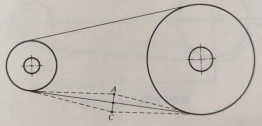
- Wenn der Winkel zwischen den Mittelpunkten der Kettenräder weniger als 45° zur Horizontalen beträgt. Die vertikale Bewegung zwischen den Positionen A und C sollte sein 2% (±1%) bis 6% (±3%) des Mittelpunktabstands.
- Wenn der Winkel 45° zur Horizontalen überschreitet Die zulässige Bewegung sollte sein 1% (±0,5%) bis 3% (±1,5%) des Mittelpunktabstands.
- Wenn die Kettenräder vertikal ausgerichtet sind (90°) Das Kettenspiel sollte so weit wie möglich minimiert werden, wobei gleichzeitig ein reibungsloses Einrasten und Funktionieren gewährleistet sein muss.
Eine angemessene Spannungsregelung trägt zur Aufrechterhaltung eines stabilen Eingriffs bei, reduziert Vibrationen und begrenzt zusätzlichen Verschleiß durch übermäßige Belastung.
Schmierzustand und Verschmutzung
Die Schmierung spielt eine entscheidende Rolle bei der Kontrolle des Kettenverschleißes. Unzureichende oder verunreinigte Schmierung wirkt als Verschleißbeschleuniger., wodurch die Lebensdauer der Kette erheblich verkürzt wird.
In vielen Fällen reicht es aus, die Kette einfach zu reinigen und das richtige Schmiermittel aufzutragen. wirksamste Verschleißkontrollmaßnahme.
Wie man den Schmierzustand prüft
Die Wartungsteams sollten die Kettenoberfläche einer Sichtprüfung unterziehen und Folgendes beurteilen:
- Ob die Kette erscheint trocken oder ordnungsgemäß geschmiert
- Ob ein dünner Ölfilm ist vorhanden
- Ob die Kette bedeckt ist mit schmutziges, abrasives oder verunreinigtes Fett
Die Verwendung des richtigen Schmierstoffs und die Einhaltung von Sauberkeit tragen dazu bei, Trockenreibung zu vermeiden, den Verschleiß an den Kontaktstellen zwischen Bolzen und Buchsen zu reduzieren und die Kettenleistung zu stabilisieren.
Wichtigste Verschleißindikatoren auf einen Blick
| Verschleißanzeiger | Was zu überprüfen ist | Risiko bei Ignorierung |
| Kettenverlängerungsrate | Dauerhafte Längenvergrößerung | Kettenspringen, Kettenradschaden |
| Montagespannung | Übermäßige Spannung oder zu viel Spiel | Beschleunigter Verschleiß, Vibrationen |
| Schmierzustand | Ölvorkommen und Sauberkeit | Schneller Verschleiß, trockene Reibung |
Abschluss
Durch systematische Verfolgung Kettenlängung, Montagespannung und Schmierzustand, Wartungsteams können so plötzliche Ausfälle durch Trockenreibung oder übermäßigen Verschleiß verhindern. Noch wichtiger ist, dass diese Indikatoren den Teams ermöglichen, Lebensdauer der Komponenten vorhersagen, den Ersatzteilbestand optimieren und Wartungsarbeiten effektiver planen.
Das Ergebnis ist ein Übergang von Notfallreparaturen zu datengestützte vorausschauende Wartung, die beides liefern Kostenreduzierung und sicherer, zuverlässiger Betrieb.