Key Differences of Heavy-Duty vs Standard Escalator Step Chains
Escalators play a vital role for people in different public spaces, and the most important part of these machines is the drive system. This guide explains the differences between heavy-duty and standard escalator step chains to help you make an informed decision in choosing the right component.
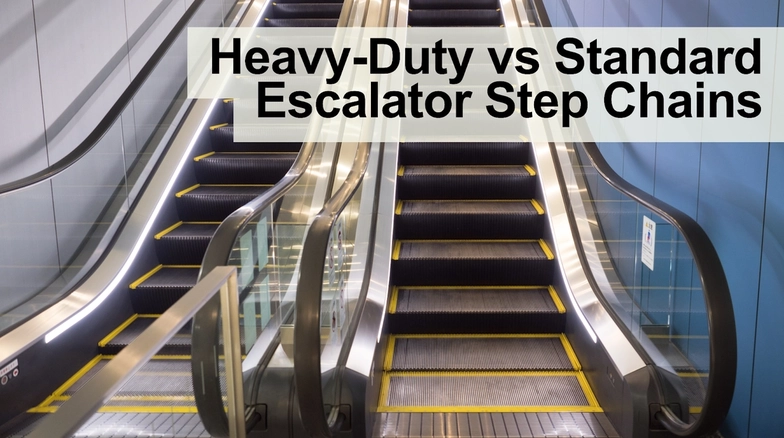
Understanding the Role of Escalator Step Chains
An escalator relies on a continuous loop of links to move steps through rantai anak tangga eskalator that should handle constant tension and passenger weight. They operate for long hours every day without stopping and accommodate many people at the same time. Failure in these chains may result in serious safety risks or expensive repairs.
The design of the chain determines how much weight it can carry. Standard and heavy-duty options exist to meet different building needs. With this, engineers and manufacturers must evaluate the expected foot traffic before selecting a specific model. This helps ensure the system operates safely and stays functional in the long run.
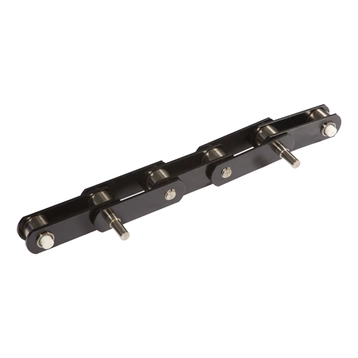
Characteristics of Heavy-Duty Escalator Chains
Heavy-duty chains are built for extreme environments. You can find them in airports, subways, shopping malls, and large transit hubs. These chains commonly use thicker link plates and larger pins and undergo specialized heat treatment to resist stretching under load.
These kinds of chains have much higher tensile strength. They can handle thousands of passengers per hour without failing. Their robust design prevents the chain from elongating over time, making it an ideal choice for outdoor or high-traffic settings.
Load Capacity and Stress Distribution
- Heavy-duty escalator roller chains can distribute stress across a larger surface area, preventing localized fatigue in the metal links. Whereas high load capacity makes sure the chain can handle sudden surges in passenger numbers. These are extremely vital and commonly seen among public transport escalators that run 24 hours a day.
Impact on Service Life
- These chains have better seals to keep lubrication in and dirt out, making it a suitable choice for demanding settings. This protection also extends the time between major overhauls and has greater long-term value, though with much higher initial cost.
Maintenance Needs and Costs
- These escalator chains, optimized for durability, require less frequent adjustment. Their resistance to stretching means they stay in sync longer, minimizing the risks of step collisions or track damage. Investing in such reduces the total cost of ownership.
Safety Considerations
- Public safety is the top priority for any facility manager or owner. Heavy-duty chains offer an extra margin of safety in crowded areas with their high breaking strength that prevents catastrophic mechanical failure.
Kekurangan
- Higher cost: These chains need specialized technology and premium materials, making them 50%–100% more expensive than standard chains.
- Increased energy use: Their heavier weight raises escalator energy consumption.
- Complex installation: They make installation more labor-intensive and time-consuming
- Specialized maintenance: Needs skilled technicians and dedicated tools, which can be difficult for some with limited technical support.
Features of Standard Escalator Chains
Standard chains are built for buildings with moderate traffic, like small department stores or low-rise buildings. The dimensions often follow industry standards to fit the most common escalator models. These escalator roller chains focus on smooth operation and noise reduction. They are lighter, which reduces energy consumption, sufficient when the lift height is low.
Load Capacity and Stress Distribution
- Standard chains have a lower breaking load limit and are ideal for vertical rises of less than six meters. Overloading may lead to rapid wear and frequent downtime.
Impact on Service Life
- Standard chains in climate-controlled malls usually have a long life. However, they often quickly fail if constantly exposed to rain or dust. Maintaining the lifespan of escalator chains requires selecting the right grade for the location.
Maintenance Needs and Costs
- Standard chains need regular inspections to check for link wear. As they are lighter, they may need more frequent lubrication, increasing the labor costs in the course of the life of the escalator.
Safety Considerations
- Standard chains are safe when used within their rated limits. But using them in high-traffic zones is a huge safety hazard. Therefore, engineers must strictly follow load ratings during the design phase to prevent accidents and ensure public safety.
Heavy-Duty vs Standard Escalator Chains: A Comparison Table
| Category | Heavy-Duty Escalator Chains | Standard Escalator Chains |
| Aplikasi | High-traffic areas (airports, subways, malls) | Moderate traffic (small stores, low-rise buildings) |
| Design | Thicker plates, larger pins, heat-treated | Standard dimensions, lighter build |
| Kapasitas Beban | High; handles heavy passenger flow | Lower; suited for light-moderate loads |
| Stress Distribution | Even distribution; reduces metal fatigue | Limited; prone to localized wear |
| Umur Layanan | Longer; resists stretch and harsh conditions | Long in controlled environments; shorter in harsh conditions |
| Pemeliharaan | Less frequent adjustments; durable | Needs regular checks and lubrication |
| Energy Use | Higher due to heavier weight | Lower due to lighter weight |
| Installation | More complex and labor-intensive | Easier and faster to install |
| Keamanan | Higher safety margin; prevents failures | Safe within limits; risky if overloaded |
| Biaya | 50%–100% higher initial cost | More affordable upfront |
Kesimpulan
Selecting between heavy-duty and standard escalator step chains directly impacts safety, maintenance costs, and service life. Heavy-duty chains are needed for public transit and high-load environments, while the standard chains work well for low-traffic indoor areas. Selecting the right one ensures a longer lifespan and smooth operation for years.
Rantai Universal produces high-strength escalator chains with strict quality control. We support different load requirements and diverse operating environments worldwide. Our team also provides technical guidance to help you select the ideal escalator chains optimized for your project. We invite buyers to Hubungi kami for chain selection or to request detailed specifications.