Цепная передача против зубчатой передачи: практическое руководство по проектированию механических трансмиссий.
При проектировании механических трансмиссионных систем выбор подходящего метода передачи мощности напрямую влияет на эффективность системы, надежность, стоимость и требования к техническому обслуживанию. Среди наиболее распространенных решений, зубчатые передачи и цепные приводы Они широко используются в промышленном оборудовании, конвейерах и силовых установках.
Понимание их различий помогает инженерам и покупателям выбрать правильное решение, исходя из реальных условий эксплуатации.
Шестеренчатая трансмиссия
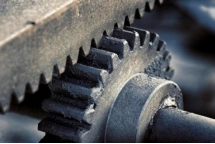
Редукторная передача передает мощность через прямое зацепление зубьев между зацепляющимися шестернями, обеспечивая точное и стабильное движение. Поскольку передаточное отношение остается постоянным, зубчатые передачи хорошо подходят для применений, требующих точное регулирование скорости и высокая скорость вращения.
Редукторные приводы предлагают высокая эффективность, большая грузоподъемность и компактная конструкция., Это позволяет передавать значительный крутящий момент в ограниченном пространстве. При надлежащей смазке и правильной центровке они обеспечивают длительный срок службы и надежную работу.
Однако зубчатые передачи являются не подходит для передачи на большие расстояния и требуют высокая точность изготовления и монтажа, что увеличивает стоимость. Также могут возникать шум и вибрация, особенно в системах с высокой скоростью вращения или плохой смазкой.
Цепная передача
А Цепная передача передает мощность через зацепление между цепью и звездочками, с несколькими зубьями, распределяющими нагрузку. Такая конструкция позволяет большее расстояние между центрами и надежная передача мощности без проскальзывания.
Цепные приводы хорошо зарекомендовали себя в пыльные, высокотемпературные или агрессивные среды, что делает их распространенными в конвейерах., сельскохозяйственная техника, а также промышленное оборудование. Они представляют собой экономически эффективный, проще в изготовлении, а также проще в установке и замене.
К основным недостаткам цепных приводов относятся: колебания скорости, вызванные многоугольным действием, удлинение, связанное с износом, и необходимость регулярная смазка и техническое обслуживание. Цепные приводы также в основном ограничены конфигурации с параллельными валами.
Цепная передача против зубчатой передачи: ключевые различия
| Коэффициент сравнения | Шестеренчатый привод | Цепной привод |
| Принцип передачи | Прямое зацепление зубьев шестерни | Зацепление цепи и звездочки |
| Дальность передачи | Короткий | Длинный |
| Коэффициент передачи | Постоянный и точный | Незначительные колебания |
| Грузоподъемность | Очень высокий | Высокий |
| Скоростные возможности | Подходит для высоких скоростей | Умеренная скорость |
| Экологическая толерантность | Требуется чистая, закрытая система. | Хорошо проявляет себя в суровых условиях. |
| сложность установки | Требуется высокая точность. | Простой и гибкий |
| Уровень затрат | Выше | Более экономически эффективный |
| Обслуживание | Смазка и выравнивание имеют решающее значение. | Регулярная смазка и осмотр |
Как выбрать правильное решение
- Выберите зубчатая передача когда требуется высокая точность, компактная конструкция и стабильное управление скоростью.
- Выберите цепной привод когда большое расстояние передачи, Более важными являются экономическая эффективность и адаптивность к окружающей среде.
Универсального решения не существует.Наилучший выбор зависит от требований приложения, условий эксплуатации и стоимости жизненного цикла..