คอลเล็กชั่นโซ่ลูกกลิ้ง
โซ่ลูกกลิ้งครบวงจรที่ออกแบบมาเพื่อการส่งกำลังที่เสถียรและมีประสิทธิภาพในงานอุตสาหกรรมต่างๆ.
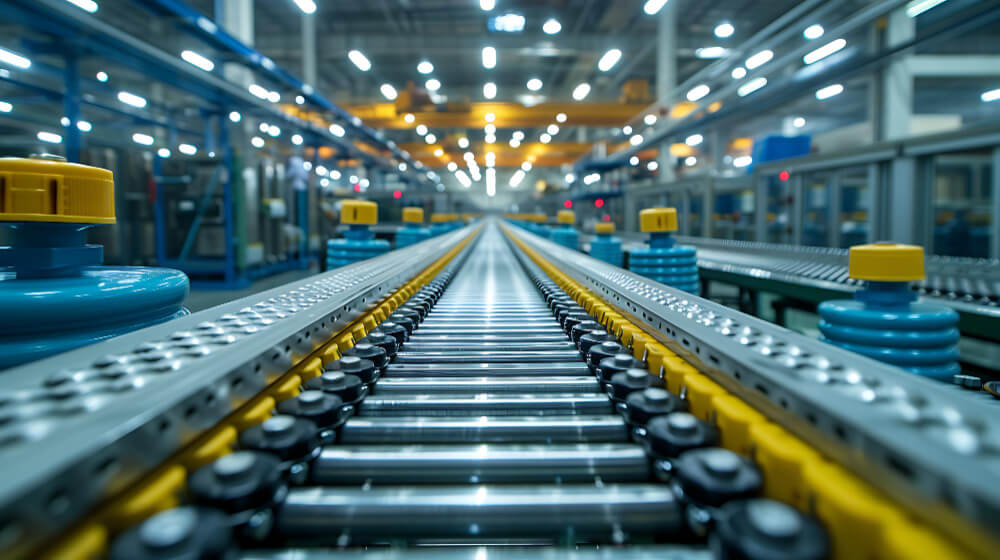
ดูเพิ่มเติมโซ่ลำเลียงเคลื่อนย้ายวัสดุอุตสาหกรรมไปตามสายการผลิตได้อย่างมีประสิทธิภาพ ประกอบด้วยข้อต่อโลหะหรือพลาสติกที่เชื่อมต่อกัน ใช้สำหรับลาก ดัน และขนส่งวัสดุไปตามสายการผลิต ได้รับการออกแบบมาเพื่อขนส่งน้ำหนักที่หนักมากในสภาพแวดล้อมที่รุนแรงและวัตถุทุกรูปทรง.
การเลือกระบบที่ถูกต้องช่วยลดความล้มเหลวทางกลและค่าใช้จ่ายในการบำรุงรักษา คู่มือนี้จะอธิบายการใช้งานโซ่ลำเลียงที่หลากหลายเพื่อปรับปรุงการดำเนินงานของโรงงานของคุณ.
การเลือกโซ่ลำเลียงที่เหมาะสมขึ้นอยู่กับสภาพแวดล้อมของงาน ความสามารถในการรับน้ำหนัก และรูปแบบของวัสดุ วิศวกร มักจะปรึกษาแผนภูมิขนาดโซ่ลำเลียงเพื่อจับคู่ขนาดโซ่กับความต้องการของระบบ ด้านล่างนี้คือประเภทโซ่ลำเลียงหลัก:
การเลือกส่วนประกอบโซ่ลำเลียงที่ถูกต้องต้องจับคู่โซ่กับเฟืองโซ่ลำเลียงที่เข้ากันได้ ฟันเฟืองต้องพอดีกับข้อต่อโซ่พอดีเพื่อป้องกันการลื่น ส่วนประกอบที่ไม่เข้ากันทำให้เกิดการสึกหรออย่างรวดเร็วและการพังทางกลอย่างกะทันหัน.
ผู้จัดการฝ่ายจัดซื้อพิจารณา ราคาโซ่ลำเลียง ควบคู่ไปกับข้อกำหนดทางเทคนิค การหาสมดุลระหว่างข้อจำกัดด้านงบประมาณและความทนทานในการปฏิบัติงานเป็นสิ่งสำคัญ ผู้ปฏิบัติงานตรวจสอบ แคตตาล็อกโซ่ลำเลียงดิจิทัล PDF เพื่อเปรียบเทียบชิ้นส่วนทางกลที่มีอยู่ เอกสารเหล่านี้แสดงพิกัดความแข็งแรงดึงและความสามารถในการรับน้ำหนัก.
การเลือกเฟืองที่ทนทานช่วยยืดอายุการใช้งานโดยรวมของชุดโซ่ลำเลียงของคุณ เฟืองเหล็กชุบแข็งทนทานต่อการเสียรูปของฟันภายใต้ภาระการทำงานที่หนัก การตรวจสอบส่วนประกอบเหล่านี้เป็นประจำช่วยป้องกันการหยุดชะงักของการผลิตที่ไม่คาดคิด.
ส่วนประกอบที่ผลิตในอุตสาหกรรมต้องผลิตภายใต้มาตรฐานสากลที่เข้มงวดมาก การรับรอง ISO 9001 รับประกันการจัดการคุณภาพตลอดกระบวนการผลิต นอกจากนี้ การรับรอง IATF 16949 ยังกำหนดเงื่อนไขที่เข้มงวดสำหรับห่วงโซ่อุปทานยานยนต์.
โซ่ต้องเป็นไปตามข้อกำหนดระดับภูมิภาค เช่น มาตรฐาน API สำหรับ แหล่งน้ำมัน. ใบรับรองเหล่านี้ยืนยันว่าโซ่สามารถรับแรงดึงสูงได้ พวกเขารับประกันความทนทานในระยะยาวภายใต้ภาระทางกลที่รุนแรง.
การปฏิบัติตามการจัดการสิ่งแวดล้อมยังได้รับการตรวจสอบผ่านการรับรอง ISO 14001 ประสิทธิภาพการใช้พลังงานในระหว่างกระบวนการผลิตจะถูกติดตามโดยมาตรฐาน ISO 50001 การรับรองเหล่านี้พิสูจน์ว่าโรงงานมีการควบคุมการดำเนินงานที่เป็นเลิศ.
ความสามารถในการผลิตของโรงงานส่งผลต่อประสิทธิภาพของโซ่โดยพิจารณาจากความสม่ำเสมอ ความแม่นยำ และความสมบูรณ์ของโครงสร้างของส่วนประกอบแต่ละชิ้นที่ผลิต.
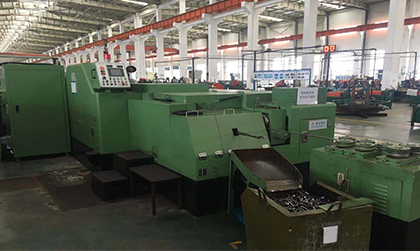
ปริมาณและความซับซ้อนของเครื่องจักรภายในโรงงานผลิตส่งผลโดยตรงต่อความสม่ำเสมอของผลิตภัณฑ์ โรงงานสมัยใหม่ใช้เครื่องรีดอัตโนมัติและเตาอบอบชุบด้วยความร้อนที่แม่นยำ อุปกรณ์นี้ช่วยให้มั่นใจได้ว่าสลักและบุชแต่ละตัวตรงตามค่าความคลาดเคลื่อนของการออกแบบที่แน่นอน.
โรงงานขนาดใหญ่มีความสามารถในการผลิตโซ่ได้หลายล้านเมตรต่อปี การผลิตในระดับสูงเช่นนี้ทำให้ผู้ผลิตสามารถสต็อกสินค้าเพียงพอสำหรับลูกค้าต่างประเทศ การผลิตอย่างสม่ำเสมอรับประกันว่าจะไม่มีข้อบกพร่องทางโครงสร้างภายในโซ่เหล็กขั้นสุดท้าย.
การใช้เครื่องจักรการผลิตที่แม่นยำนำไปสู่ความแปรปรวนน้อยที่สุดในระยะพิทช์ของโซ่แต่ละเส้น ระยะพิทช์ที่เท่ากันช่วยป้องกันการกระตุกเมื่อสายพานลำเลียงทำงาน การเคลื่อนที่ของโซ่ที่ราบรื่นช่วยลดการสั่นสะเทือนและปกป้องผลิตภัณฑ์ที่ละเอียดอ่อนระหว่างการขนส่ง.
โซ่ลูกกลิ้งครบวงจรที่ออกแบบมาเพื่อการส่งกำลังที่เสถียรและมีประสิทธิภาพในงานอุตสาหกรรมต่างๆ.
ดูเพิ่มเติม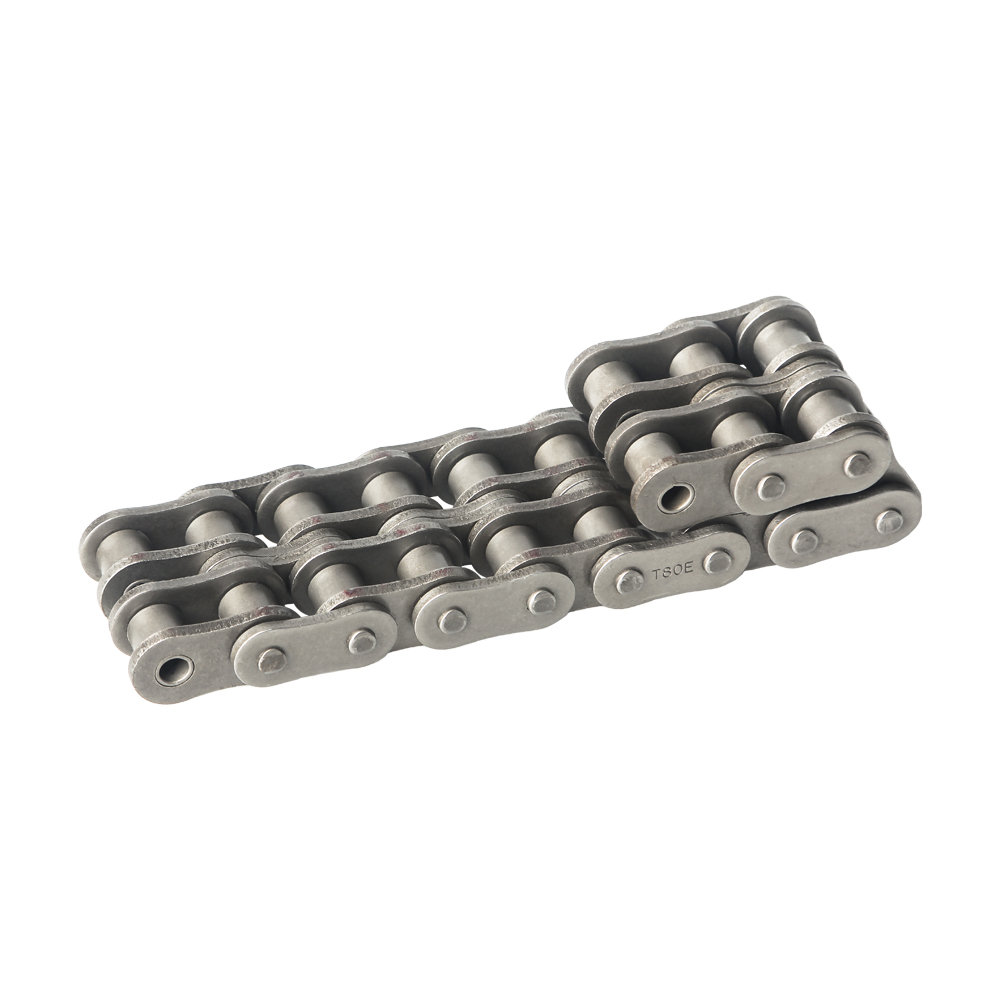
การทำความเข้าใจการใช้งานโซ่ลำเลียงประเภทต่างๆ เป็นสิ่งสำคัญเพื่อให้แน่ใจว่าการดำเนินงานของโรงงานเป็นไปอย่างเหมาะสมที่สุด.
จำเป็นต้องเลือกประเภทโซ่ลำเลียงที่เหมาะสมที่สุด ขึ้นอยู่กับลักษณะของการดำเนินงานทางกลและสภาพแวดล้อม นอกจากนี้ การปฏิบัติตามมาตรฐานสากล เช่น ISO 9001, ISO 14001 และ IATF 16949 จะรับประกันประสิทธิภาพสูงพร้อมความแข็งแรงดึงและความต้องการด้านความปลอดภัยที่โดดเด่น.
Universal Chain มีความสามารถในการผลิตที่กว้างขวางด้วยชุดอุปกรณ์การผลิตกว่า 2,000 ชุด และผลผลิตต่อปี 60 ล้านเมตร เราเป็น ผู้ผลิตโซ่ลำเลียง ที่มีประสบการณ์ในอุตสาหกรรม 50 ปี และมีสิทธิบัตรกว่า 100 รายการ.
กลุ่มผลิตภัณฑ์ที่หลากหลายของเราเป็นไปตามการรับรองระดับโลก ทำให้เราเป็นซัพพลายเออร์ที่เชื่อถือได้สำหรับ การใช้งาน ที่แตกต่างกันทั่วโลก. ติดต่อ Universal Chain เพื่อรับใบเสนอราคาที่ปรับแต่งเฉพาะ.