Collezione di catene a rulli
Una gamma completa di catene a rulli progettate per una trasmissione di potenza stabile ed efficiente in tutte le applicazioni industriali.
Visualizza altroUno standard ANSI catena a rulli è un componente di trasmissione meccanica che trasferisce potenza tra alberi rotanti. È costituito da maglie interne ed esterne alternate che si collegano a un pignone per catena a rulli standard ANSI corrispondente per azionare macchinari industriali.
Questa guida spiega le dimensioni chiave, i sistemi di numerazione e i parametri tecnici per aiutarti a selezionare la catena giusta per i tuoi macchinari.
Le specifiche di una catena a rulli ANSI sono pensate per garantire prestazioni, compatibilità e intercambiabilità costanti tra diversi produttori.
La trasmissione meccanica di potenza richiede dimensioni esatte per garantire la compatibilità reciproca dei componenti. L'American National Standards Institute stabilisce queste configurazioni specifiche attraverso lo standard ANSI B29.1. Queste includono limitazioni del passo, dimensioni del rullo, diametro del perno e spessore delle piastre laterali per una sostituzione universale.
Gli ingegneri utilizzano una tabella delle dimensioni delle catene a rulli standard ANSI per abbinare una catena a specifici carichi di progetto e limiti operativi. Ad esempio, le dimensioni standard vanno da un piccolo numero 25 a una catena per impieghi gravosi numero 240. Una tabella completa delle catene a rulli standard ANSI elenca attributi vitali come la resistenza alla trazione media e il peso per metro.
| Numero industriale | Passo (pollici) | Larghezza rullo (pollici) | Diametro rullo (pollici) | Resistenza alla trazione (lbs) |
| 25 | 0.250 | 0.125 | 0.130 | 1,036 |
| 35 | 0.375 | 0.188 | 0.174 | 2,469 |
| 40 | 0.500 | 0.312 | 0.312 | 4,188 |
| 50 | 0.625 | 0.375 | 0.400 | 6,834 |
| 60 | 0.750 | 0.500 | 0.469 | 9,259 |
| 80 | 1.000 | 0.625 | 0.625 | 17,636 |
I gradi dei materiali e le fasi di trattamento termico influiscono direttamente sul prezzo totale della catena a rulli standard ANSI. Le varianti base in acciaio al carbonio costano meno ma offrono una resistenza minima agli ambienti umidi. Le catene speciali in lega con lubrificanti a immersione o rivestimenti in nichel hanno prezzi maggiorati perché prolungano la durata in ambienti difficili.
Per leggere le dimensioni delle catene a rulli standard secondo ANSI, viene utilizzato un sistema di numerazione tramite un semplice codice per descrivere le caratteristiche strutturali.
La prima cifra rappresenta il passo della catena misurato in ottavi di pollice. La seconda cifra indica lo stile specifico, dove zero significa una configurazione standard del rullo. Un numero cinque a destra indica una catena senza rulli, mentre un numero uno indica una serie leggera.
Quando si osserva una catena standard tabella delle dimensioni delle catene a rulli, si noteranno dimensioni presentate in entrambi i sistemi. Una tabella delle dimensioni delle catene a rulli metriche converte i pollici frazionari in cifre esatte in millimetri.
Ad esempio, una catena standard numero 40 presenta un passo di 12,70 millimetri e una larghezza del rullo di 7,92 millimetri. Le squadre di manutenzione scaricano spesso un PDF di catene a rulli standard ANSI per tenere a portata di mano queste metriche strutturali per rapide riparazioni sul campo.
Una gamma completa di catene a rulli progettate per una trasmissione di potenza stabile ed efficiente in tutte le applicazioni industriali.
Visualizza altro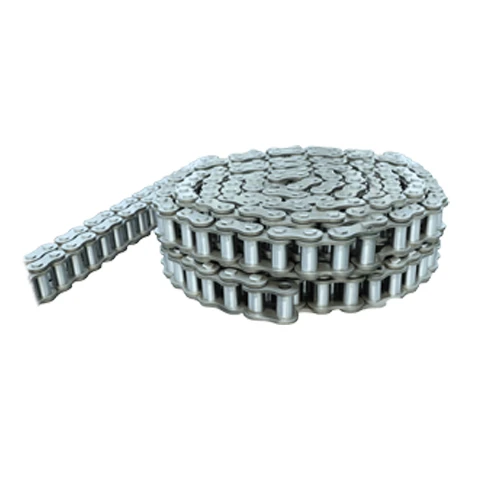
Una catena a rulli standard ANSI garantisce un'esatta compatibilità fisica tra i componenti di trasmissione di potenza imponendo precise metriche geometriche ANSI B29.1. La selezione del componente corretto richiede un'attenta revisione di una tabella delle dimensioni della catena per bilanciare la resistenza alla trazione rispetto alle richieste di carico.
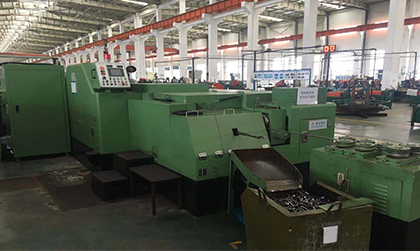
Universal Chain produce parti meccaniche efficaci utilizzando l'automazione moderna nell'ambito di sistemi di qualità certificati ISO 9001 e ISO 14001. Il nostro impianto di produzione utilizza forni a trattamento termico continui e linee di assemblaggio automatiche per fornire sistemi industriali di alta gamma a livello globale.
Inoltre, puoi esplorare i nostri componenti in diverse configurazioni di movimentazione materiali e macchinari agricoli tramite il nostro profilo ufficiale applicazioni. Visita la pagina contatti di Universal Chain per ricevere oggi stesso un preventivo personalizzato per le tue specifiche esigenze di macchinari industriali.