How Does A Drive Chain Work?

22nd Jun 2026
Universal Transmission · Technical Guide
 ·  7 min read

A drive chain transfers mechanical power between shafts using rigid links meshing with toothed sprockets.

Five core components: links, rollers, pins, bushings, and sprockets — each plays a critical role.

Used across industrial, automotive, agricultural, and food processing applications worldwide.

A well-maintained drive chain lasts 15,000–20,000 miles in automotive use, and years in industrial settings.

What Is A Drive Chain?
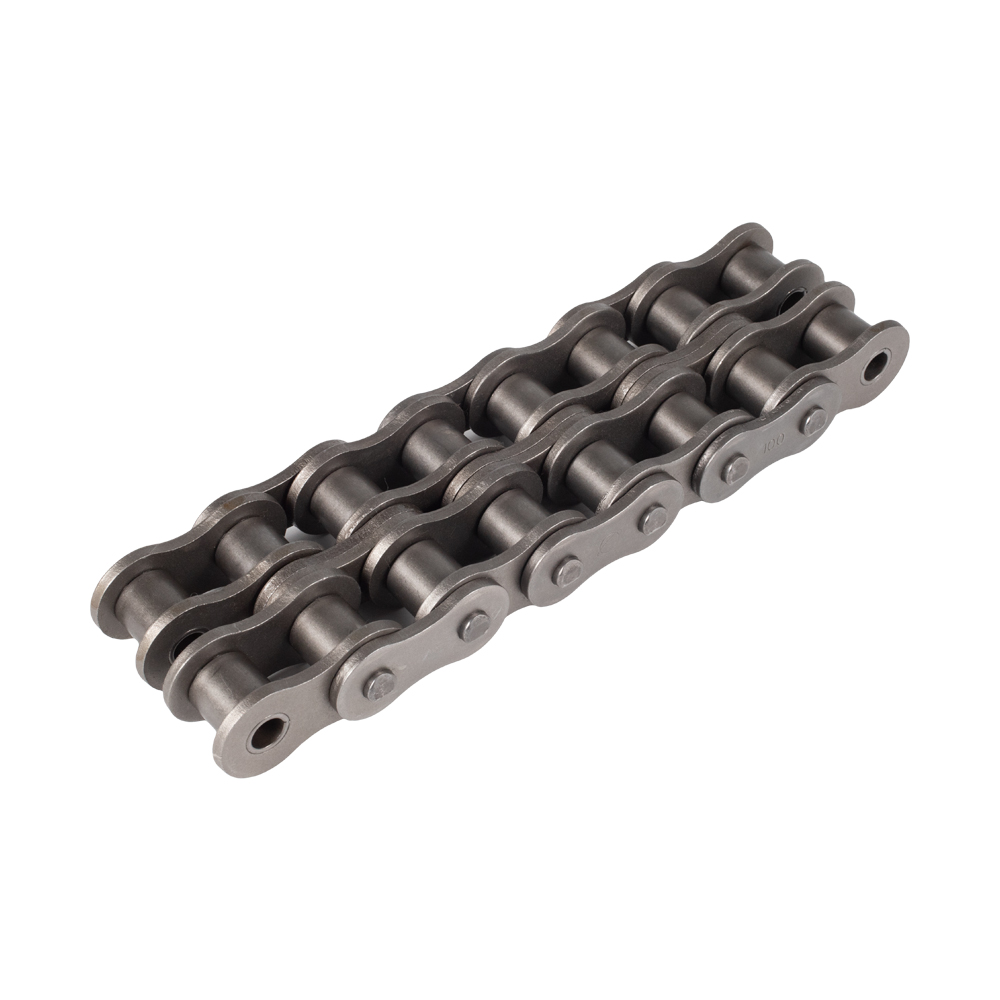
Short pitch precision roller chain A series
Featured Product
Short Pitch Precision Roller Chain (A Series)
View Product →

A drive chain is a type of mechanical device that enables a vehicle or machine to move. It is a transmission device that transfers power through a long loop. A drive chain consists of a series of rigid links with pin joints, which give them the flexibility to wrap around wheels. The chain fits into sprocket wheels — as the chain moves, so does the wheel.

A drive chain is also known as a roller chain or transmission chain. These oval loops are used to move heavy objects from one place to another, typically made of multiple links with more than one gear that can go around corners. Among their many advantages: they are inexpensive, easy to manufacture and maintain, and can be replaced when worn. If properly maintained, a drive chain will last for years — which is why they remain an extremely popular choice for mechanical drives across industries.

Components of a Drive Chain

Drive chains are integral to numerous mechanical systems, transferring power efficiently from one point to another. Five key components work together in every drive chain:

Links

The basic building blocks of a drive chain, interconnecting to form a continuous loop. Each link consists of two outer plates and two inner plates connected by pins — providing the chain’s overall length and flexibility to wrap around sprockets.

Rollers

Positioned between the inner plates, rollers reduce friction as the chain engages with sprocket teeth. They rotate around the pins, allowing smooth movement and minimizing wear on both the chain and the sprocket.

Pins

The connecting elements that hold the links together. Pins pass through the holes in both inner and outer plates, providing the pivot points that allow the chain to bend and flex as it moves around sprockets.

Bushings

Cylindrical components fitted between the pins and rollers. They act as bearings, reducing friction and wear between the moving parts. In some chain designs, bushings are integral to the inner plates themselves.

Sprockets

Toothed wheels that engage with the chain, driving it forward or pulling it along. The size and number of teeth on the sprockets determine the speed and torque of the drive system. The drive sprocket connects to the power source; the driven sprocket connects to the output shaft.

How Does a Drive Chain Work?

Drive chains are used in the transmission of motion from a power source to a driven wheel. The devices are made from rigid links with pin joints that allow them to wrap around a wheel without deforming or twisting. Here is the complete working sequence:

1
Power source activates the drive sprocket

The sprocket is the driving wheel, fitted onto a shaft and held in place by a key. When the motor or engine turns, it rotates the drive sprocket. The sprocket teeth engage with the chain link holes, pulling the chain into motion.

2
Chain transmits force along its length

As the drive sprocket turns, it pulls the chain, putting force into the system. The chain conveys this power — link by link — across the distance between the two sprockets. Rollers and bushings minimize friction throughout this motion.

3
Driven sprocket receives the power

The chain engages the teeth of the driven sprocket, transferring rotational force to the output shaft. The speed ratio between the two sprockets is fixed by their tooth count — larger sprocket = slower speed, more torque; smaller sprocket = higher speed, less torque.

4
Chain returns on the slack strand

After delivering power, the chain returns along the slack (non-tensioned) side to re-engage the drive sprocket. Multi-gear configurations may use a second or third strand for increased power capacity — these are called double-strand or multi-strand drive chains.

Applications of Drive Chains

Drive chains are widely used across industrial and automotive sectors due to their strength, durability, and reliable constant-ratio power transmission.

Industrial Use

In manufacturing plants, conveyor systems rely on drive chains to move products through various stages of production — handling heavy loads with consistent performance for efficient operations.

In mining and quarrying, drive chains power equipment like draglines, loaders, and conveyors that withstand extreme conditions and heavy loads. They are equally essential in warehouse material handling systems that transport goods over long distances.

In the food and beverage industry, stainless steel and plastic chains power processing and packaging machinery, meeting hygiene standards and resisting corrosion from frequent cleaning cycles.

Automotive Use

Timing chains synchronize the rotation of the crankshaft and camshaft in internal combustion engines, ensuring precise valve operation and optimal engine performance. They are preferred over belts in many applications due to their durability and long service life.

Motorcycles and bicycles use drive chains to transfer power from the engine or pedals to the wheels. These chains handle high speeds and varying loads, providing reliable and efficient power transmission for everyday and performance use.

FAQs About Drive Chains

Is a roller chain the same as a drive chain?

No — a roller chain is a type of drive chain characterized by the presence of rollers between the links. While all roller chains are drive chains, not all drive chains are roller chains. Drive chains can also include types like silent chains and leaf chains, each suited to different load, speed, and environmental requirements.

When should a drive chain be replaced?

Drive chains should be replaced when they show signs of significant wear — such as elongation (pitch stretch beyond 2–3% of nominal), stiff links, visible corrosion or cracking, or excessive noise during operation. Regular inspections are essential to identify these signs early. Manufacturers typically provide replacement intervals based on usage conditions; replacing a worn chain before it fails avoids costly damage to sprockets and downstream components.

How long do drive chains last?

The lifespan of a drive chain depends on the type of chain, operating conditions, and maintenance practices. On average, a well-maintained drive chain lasts 15,000 to 20,000 miles in automotive applications and several years in industrial settings. Regular lubrication and proper tensioning are the two most impactful factors in extending chain life.

What is the difference between a single-strand and multi-strand drive chain?

A single-strand chain has one row of link plates and is the standard configuration for most applications. Multi-strand chains (double-strand, triple-strand, etc.) use multiple parallel rows of links sharing the same pins, increasing the load-bearing capacity without requiring a larger pitch or higher linear speed. They are used when a single-strand chain would need to be upsized to an impractically large pitch.

How do I maintain a drive chain properly?

Proper drive chain maintenance involves three key practices: (1) Lubrication — apply the correct lubricant to the pin-bushing interface at the recommended intervals to reduce friction and prevent corrosion; (2) Tension adjustment — check and adjust tension regularly, maintaining approximately 1–3% sag on the slack strand; (3) Inspection — periodically check for elongation, worn rollers, cracked plates, and proper sprocket alignment. A worn sprocket will accelerate chain wear even after fitting a new chain.
Get Expert Advice
Need a drive chain solution for your application?
Universal Transmission manufactures precision roller chains, leaf chains, and conveyor chains with full custom engineering support.
Request a Quote →
Article Sources
  • The Universal Chain uses only high-quality sources, including peer-reviewed studies, to support the facts within our articles.
Tags:

Get A Touch Now