What Is The Maximum Speed For A Chain Drive?
A chain drive is an important transmission part. It transmits mechanical power from the engine to the wheels of a vehicle. A motorcycle, bicycle, or automobile has a chain drive to power its wheels. This type of drive is used in many other machines and devices.
Some types of chain drives are designed for high-speed applications, while others are built for low speeds. The calculation of the speed will help narrow down the designs to fit the application.
The speed of the chain is important to the safety of the crew. Some chain drives are designed for very low speeds, while others can work at high speeds. A calculation will help you determine the speed range and specifications of the chain drive.
In this guide, we will give you information about the maximum speed for a chain drive.
What Is Chain Speed?
Chain speed is the distance a chain travels over a given period of time. It is usually expressed in meters per minute (m/min) or feet per minute (fpm).
In conveyor and power transmission systems, chain speed directly affects:
- Load capacity
- Wear rate
- Noise level
- Service life
In mechanical chain drives, the allowable speed is normally defined by the chain manufacturer and depends on chain type, pitch, sprocket size, and lubrication.
Smaller sprockets with fewer teeth often allow higher rotational speed but increase wear. Proper calculation ensures the chain operates within its design limits and avoids overload or safety risks.
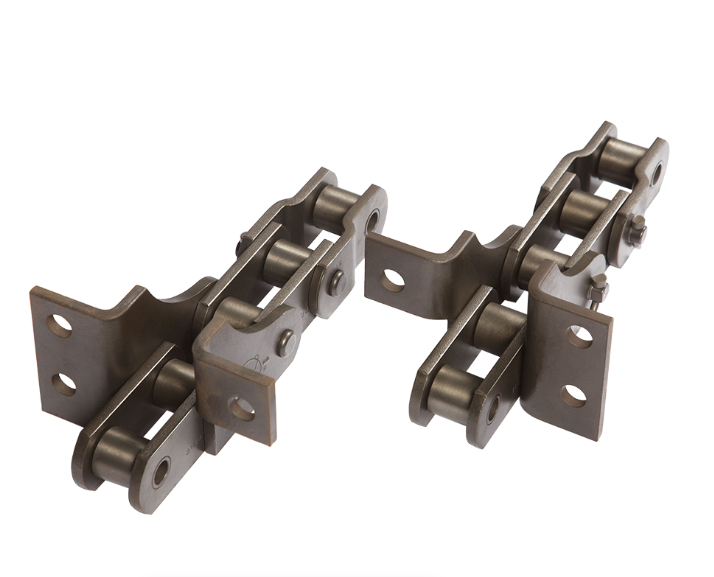
Why Chain Speed Matters
An excessively high chain speed can cause:
- Accelerated wear
- Overheating
- Increased vibration
- Risk of chain failure or collision
Most industrial chains are designed for low to medium speeds, which improves durability and reduces maintenance requirements.
For high-speed applications, chain selection becomes more critical. Manufacturers usually provide recommended speed ranges based on real operating conditions.
What Is The Maximum Speed of a Chain Drive?
Different types of chain drives have different speeds. For example, some chain drives are designed for high-speed applications, i.e., chain drives used in motorcycles. Other types of chain drives are designed for low-speed applications, i.e., chain drives used in the conveyor.
The speed of a chain drive is calculated by measuring the distance the chain covers in a unit of time. There is a formula used to calculate the chain speed.
Chain Speed Formula
V=1000P×T×n(m/min)
Where:
n = Sprocket speed (rpm)
P = Chain pitch (mm)
T = Number of sprocket teeth
The maximum chain speed depends on the manufacturing tolerances of the sprockets and the balancing of the gears. Typical applications for a chain drive are 20 m/s. If you are looking for more speed, you can opt for a flat belt. For a conveyor, the maximum speed with be 30 meters (100 feet)/minute.
Roller chains can be used for mid-speed to high-speed applications. These chains can move at 600 to 800 feet per minute as well as offering high-speed up to 2,000 to 3,000 feet per minute.
The speed of a chain drive is determined by its sprockets. The higher the diameter of the sprockets, the more torque they can deliver. The higher the speed, the more torque the machine can handle. This means that the maximum capacity of a chain drive is greater than its transmission capacity. The chain must also be properly lubricated. This requires a more complex chain design and a more complex overall equipment.
Typical Maximum Chain Speed Ranges
| Application Type | Typical Speed Range |
|---|---|
| General industrial chain drives | up to 20 m/s |
| Conveyor chains | up to 30 m/min (≈100 ft/min) |
| Standard roller chains | 600–800 ft/min |
| High-speed roller chains | up to 2,000–3,000 ft/min |
If higher speeds are required, belt drives are often a better alternative.
Maximum speed is influenced by sprocket balance, manufacturing tolerance, lubrication, and alignment.
Roller Chains and High-Speed Operation
Roller chains are suitable for medium- to high-speed applications because the rollers reduce friction during engagement with the sprocket.
However, higher speed also increases dynamic load. This means:
- Lubrication becomes more critical
- Chain design becomes more complex
- Overall system precision must be higher
The chain’s load capacity must always exceed the required transmission load.
Factors Affecting the Speed of Chain Drives
Several factors influence the speed of chain drives, determining their efficiency and performance in various applications.
#1. Chain Type and Quality
The type and quality of the chain significantly affect the speed. High-quality, precision-engineered chains reduce friction and wear, enabling higher speeds. Roller chains, for instance, are designed for efficient high-speed operation due to their rolling elements that minimize friction.
#2. Sprocket Size and Alignment
The size of the sprockets in a chain drive system influences the speed. Larger sprockets result in lower speeds but increased torque, while smaller sprockets allow higher speeds. Proper alignment of the sprockets is crucial to prevent misalignment, which can cause excessive wear, noise, and reduced operational speed.
#3. Lubrication
Adequate lubrication reduces friction and wear between the chain and sprockets, allowing smoother and faster operation. Regular and proper lubrication is essential to maintain the chain’s speed capabilities.
#4. Load Conditions
The load carried by the chain drive affects its speed. Heavier loads can slow down the chain drive due to increased friction and resistance. Ensuring the chain drive operates within its designed load capacity is critical for maintaining optimal speed.
#5. Environmental Conditions
Operating conditions such as temperature, humidity, and exposure to dust or chemicals can impact the speed of chain drives. Extreme temperatures can affect the material properties of the chain, while dust and debris can increase friction and wear.
By understanding and optimizing these factors, the efficiency and speed of chain drives can be significantly enhanced, ensuring reliable performance in various applications.
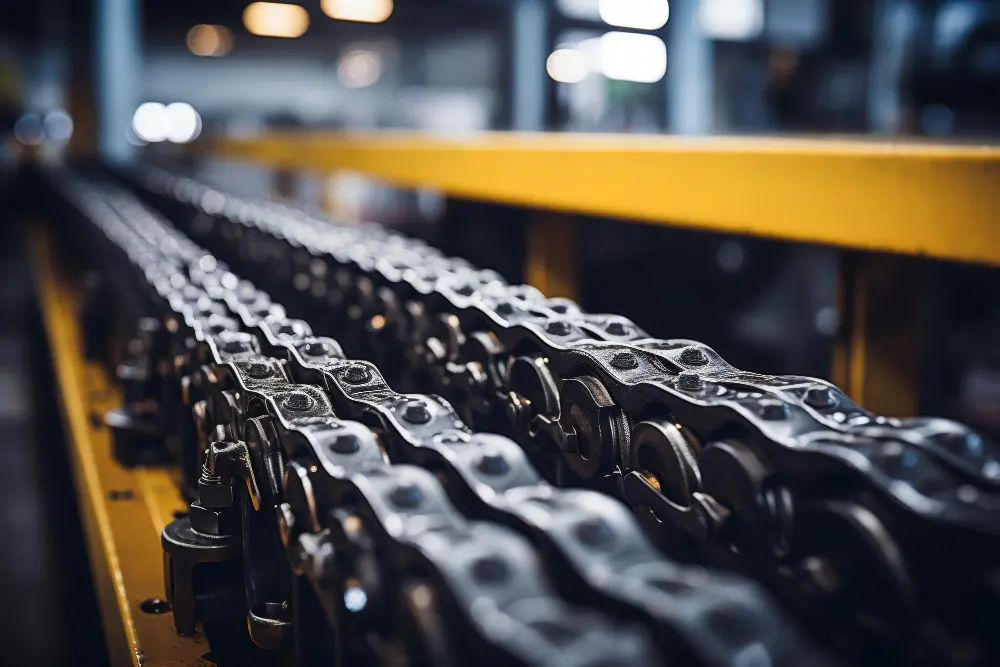
Is your chain drive not performing as expected? High speed applications need careful chain selection! Tell us about your needs and get a quote.
Applications Requiring High-Speed Chain Drives
High-speed chain drives are essential in many industries and applications where rapid and efficient power transmission is required.
#1. Automotive Manufacturing
In automotive assembly lines, high-speed chain drives are used to move parts and components quickly through various stages of production. This ensures efficient and continuous operation, minimizing downtime and maximizing productivity.
#2. Packaging Industry
The packaging industry relies on high-speed chain drives to transport products through filling, sealing, and labeling processes. These drives ensure quick and precise movement, essential for high-volume production and maintaining product quality.
#3. Food and Beverage Processing
High-speed chain drives are crucial in food and beverage processing plants, where they facilitate the rapid movement of products along conveyors. This is essential for maintaining the speed of production lines and ensuring timely processing and packaging.
#4. Textile Industry
In textile manufacturing, high-speed chain drives are used in looms and spinning machines. These drives enable fast and efficient production of textiles, ensuring high output and consistent quality.
#5. Pharmaceuticals
The pharmaceutical industry uses high-speed chain drives in production and packaging lines to handle medications and products quickly and efficiently. This is vital for meeting high demand and regulatory standards.
High-speed chain drives play a pivotal role in enhancing productivity and efficiency across these industries, ensuring smooth and rapid operations.
FAQ
How long do chain drives last?
Chain drives typically last between 15,000 to 20,000 miles in automotive applications and several years in industrial settings. Their lifespan depends on factors like load, maintenance, and operating conditions. Regular inspection, lubrication, and proper tensioning are crucial for extending their service life.
What is the speed limit of a roller chain?
The speed limit of a roller chain varies depending on its design and application, generally ranging between 1,200 to 1,500 feet per minute (fpm). For optimal performance and longevity, it’s essential to consult the manufacturer’s specifications and recommendations for the specific chain type used.
What is the speed ratio of chain drive?
The speed ratio of a chain drive is determined by the ratio of the number of teeth on the driver sprocket to the driven sprocket. For example, if the driver sprocket has 20 teeth and the driven sprocket has 40 teeth, the speed ratio is 1:2, meaning the driven sprocket rotates at half the speed of the driver.
Need Help Selecting a Chain for High-Speed Use?
High-speed chain drives require careful selection based on speed, load, and operating conditions.
Tell us about your application, and our team can help you identify a suitable chain specification.