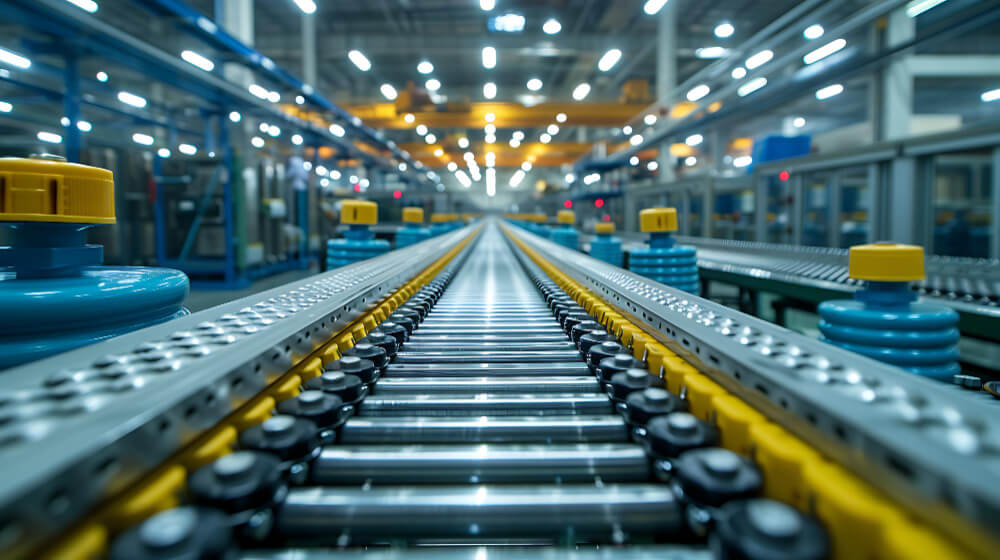
Top Roller Conveyor Chain
Category: Conveyor Chains
Features: Engineered for high-strength capacity, superior fatigue resistance, and extended operational life in material handling applications.
A metal conveyor chain moves parts through factory floors, assembly lines, and extreme heat environments. Selecting the wrong link configuration causes rapid component wear and sudden system shutdowns. This guide explains how mechanical links transport materials across industrial facilities to help you select the optimal design for your assembly line.
There are different types of conveyor chain, each of which determines its compatibility with the environment and weight capacity. Metal conveyor chain manufacturers use classifications based on geometry, metal conveyor chain sizes, and motion.
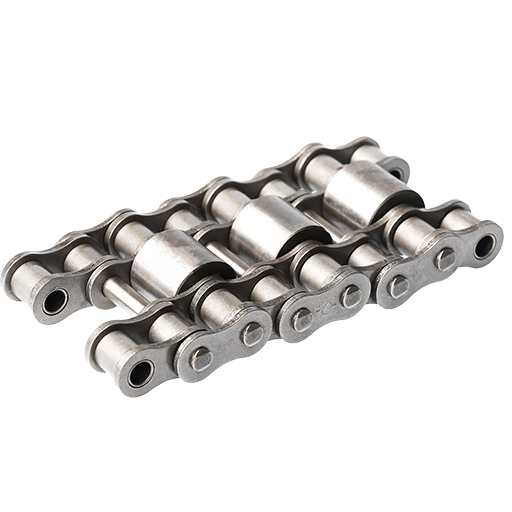
This design features cylindrical rollers joined together at equal distances on roller conveyor chains to facilitate uniform and accurate conveyance of products. Made from either carbon steel or stainless steel, they are known as among the heavy-duty metal conveyor chains. They also excel in enduring severe wear and tear.
Thanks to their accuracy, these conveyor chains are preferred in assembling operations and the automobile industry. These chains can also be fitted with attachments for specialized conveying, lifting, or pushing applications, while replaceable links help reduce maintenance downtime.
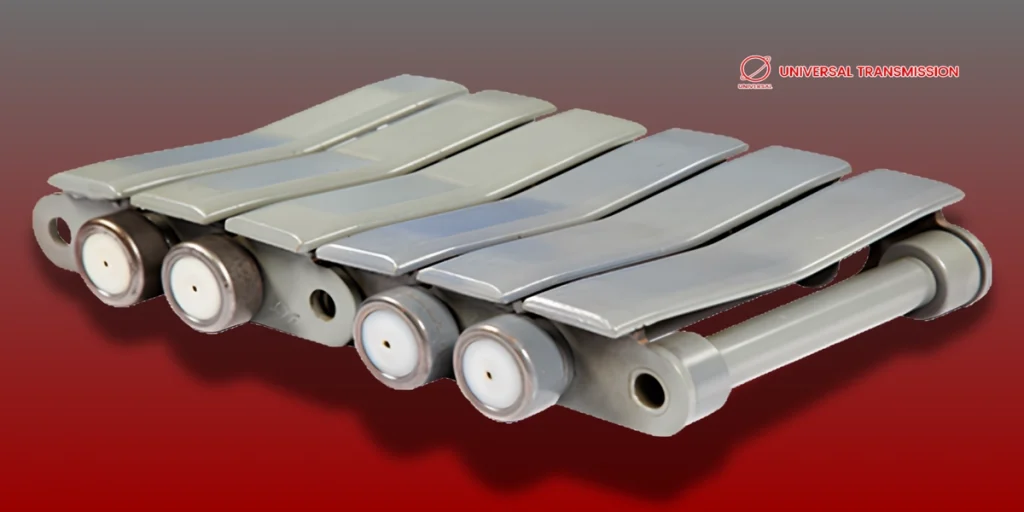
These chains are light in weight, resistant to corrosion, and made up of reinforced thermoplastic material for durability and minimal maintenance. This allows them to be used frequently in pharmaceutical and corrosive industries.
Additionally, they are quieter in operation than metallic chains and increase the lifespan of the conveyor belt. However, they cannot be used for operations involving high temperatures.
These are also called “scraper chains” that move materials through the process of dragging them on a surface rather than via rollers. Constructed from materials that do not wear out easily, drag chains are suitable for conveying powders and granular bulk materials. This could be either horizontal, vertical, or inclined operations.
These are also referred to as slat band or slat link chains. They offer a smooth and level plane of conveyance for items being moved around in factories. They are also made from stainless steel, plastics, or both, depending on their requirements. The material of choice depends on the operating environment, which may include moisture and heat.
These are composed of metal mesh conveyor surfaces, which enable effective transportation of products while providing optimum ventilation. They can be made of either steel or stainless steel, thus making them capable of withstanding extremely hot environments. They are also widely used in food processes, but are not appropriate for transporting small products.
These chains are built for demanding farming tasks and tough outdoor use. They are made using highly durable materials and sometimes have accessories like extra-long pins or slats. Cleaning and lubricating them frequently is necessary to keep their functionality intact.
The cleated chains have the cleats raised and are fixed at certain distances along the conveyor. They are widely employed in the conveying of bulk cargo like grains and recycled goods. The choice of the cleated chain is determined by its cleat size and distance relative to the material to be conveyed.
These chains use friction inserts or coatings like rubber and special polymers, allowing greater traction of the products conveyed. The soft handling ability allows the chains to be useful in packaging environments, where they can help reduce damage to products. Regular cleaning is important to maintain grip and performance.
Magnetic chains utilize magnets to safely move materials such as ferromagnetic materials along vertical routes. They do not rely heavily on clamps or guidance, making the use of these chains easy to implement and wear-free. Used in various sectors including automobiles, recycling, packaging, and metalworking, these chains must undergo regular checks.
Category: Conveyor Chains
Features: Engineered for high-strength capacity, superior fatigue resistance, and extended operational life in material handling applications.
Choosing the right conveyor chain helps improve efficiency, reduce downtime, and extend equipment life. Since each chain type is designed for specific applications, factors such as load, temperature, and operating conditions should guide selection. For detailed specifications and sizing information, refer to a conveyor chain catalogue PDF from a trusted manufacturer.
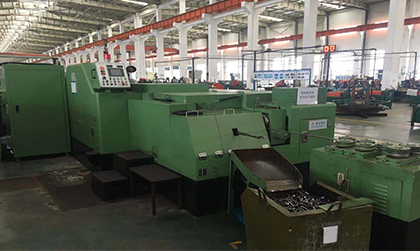
Universal Chain specializes in metal conveyor chains through automatic stamping presses, precise heat-treatment furnaces, and computerized testing tools. The company manufactures durable industrial systems that match strict international quality control benchmarks for global factories, including ISO 1977 or DIN 8167.
Explore the complete catalog and request a custom quotation by visiting our Contact Page.