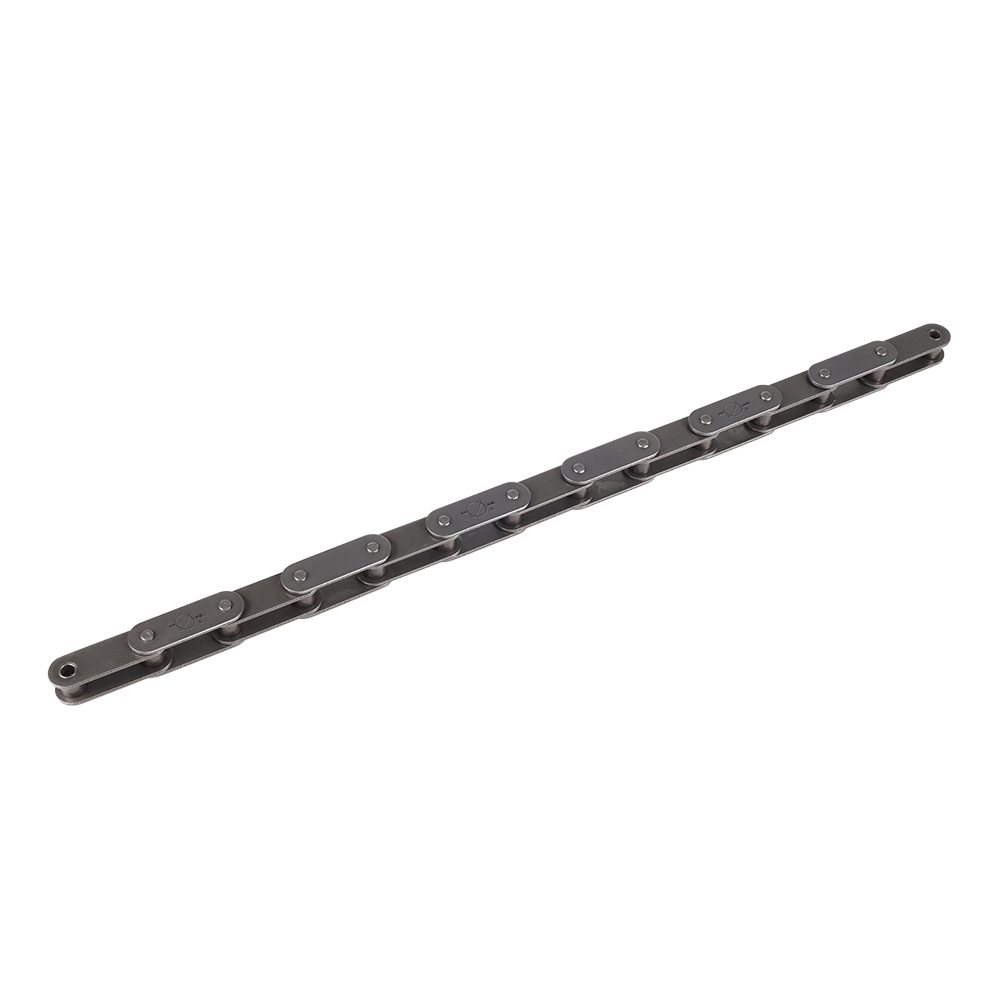
Roller Chain Collection
A complete range of roller chains engineered for stable, efficient power transmission across industrial applications.
View MoreThe industrial chain landscape is changing fast, and new technologies are making mechanical systems more efficient and durable. This guide explains how modern innovations are reshaping the power transmission chain sector to meet higher performance demands.
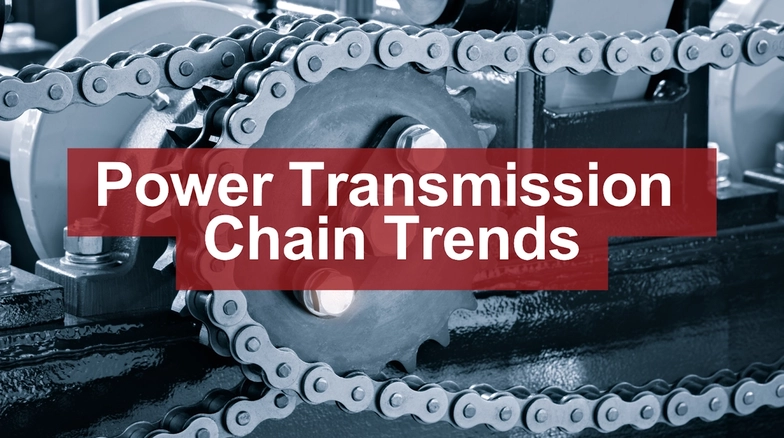
Industrial chains are the backbone of modern manufacturing, used in moving heavy loads and synchronizing complex machinery. Now, the focus of evolution is on increasing their strength while minimizing maintenance needs. These then fed the growing demand for materials that are wear-resistant in harsh conditions, ensuring optimal performance and longer equipment life.
Durable steel alloys and heat treatment methods have changed the game. These improvements allow power transmission chains to operate longer without stretching, vital for automated assembly lines and heavy mining equipment. Moreover, materials like plastics and lightweight composites are gaining popularity, providing lighter and more corrosion-resistant solutions.
Nowadays, advanced solutions are much preferred over traditional lubrication systems that can optimize performance and enhance chains’ wear resistance. Automatic lubrication, high-tech lubricants, and condition monitoring sensors are among the innovations that have been made in this field.
The integration of sensors is a massive technological trend. Today, smart chains can monitor their own tension and temperature. This data goes to a central system to alert operators of potential failures, allowing the industry to move from reactive repairs to predictive maintenance.
Predictive systems save companies thousands in lost production time. By knowing exactly when a power transmission chain needs lubrication or replacement, factories run more smoothly. This digital shift makes mechanical systems more transparent and easier to manage.
Power transmission chain designs are consistently improving to enhance efficiency and overall performance. Advanced computer modelling mechanisms are utilized to analyze wear and stresses to produce lighter, stronger, and more durable designs.
For instance, imagine you are designing a chain for a construction machine. With computational modelling methods, you can analyze the wear and stresses that the chain will experience in various situations. This will then allow you to make a stronger and more durable design, thus optimizing the performance of the machine.
Surface coatings have a vital role in protecting chains against wear, corrosion, and other external agents. In today’s era, new coatings are developed with enhanced properties, including increased hardness, reduced friction, and better adhesion.
For instance, if you have a chain that is constantly exposed to corrosive settings, you can definitely use a special coating that will protect the chain from corrosion and prolong its lifetime.
3D printing is changing how parts are made, allowing rapid prototyping of complex chain components. Manufacturers can now test new designs in just days rather than weeks, helping in creating complex and customized designs with better precision and flexibility that traditional milling cannot achieve.
This kind of printing is revolutionizing the production of custom components. It allows for lighter parts without compromising structural integrity, resulting in more efficient energy use in large-scale transmission systems.
Robotics and automation are now gaining popularity in the industrial chain industry, automating repetitive and complex tasks while also enhancing efficiency and safety in production processes.
For example, in an automotive factory, robots could handle the installation of chains on vehicles more accurately and faster, reducing production time and improving the quality of products.
The industrial chain industry is now becoming more sustainable. Greener production processes are being implemented or gradually being applied, and chains made from biodegradable and recycled materials are being developed and gaining popularity.
For instance, if you have a chain that needs to be replaced, you could have a chain made from recycled materials instead of buying a new one, reducing the environmental risks.
Connectivity and Big Data help chain manufacturers collect and assess huge amounts of data on the performance of their products in the field. This can be used to enhance the design, manufacturing, and maintenance needs of the chain, as well as offering new services to customers.
For example, a manufacturer may collect data on the performance and wear of their products in various applications. With this, they could improve chain design and manufacturing processes while also providing customized services to their customers.
A complete range of roller chains engineered for stable, efficient power transmission across industrial applications.
View More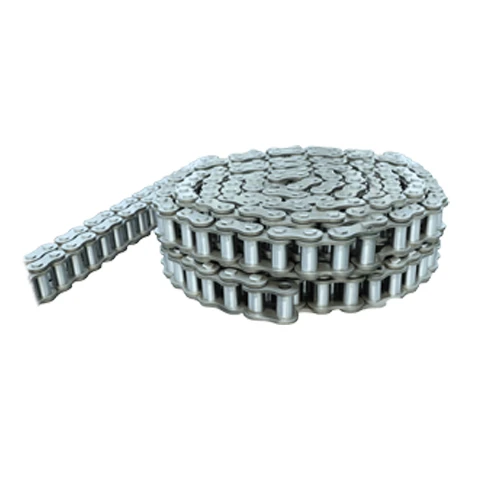
The industrial chain industry is moving toward smarter materials. Understanding industry trends is just the beginning; you also need to find a partner that can provide these technologies. The demands for higher load capacity, corrosion-resistant materials, and customized applications are increasing; selecting an experienced manufacturer is highly important.
Universal Chain has the expertise to meet these evolving needs. We offer a wide product range, including transmission, conveyor, and engineering chains. Our team also specializes in custom manufacturing based on your specific industry requirements, ensuring your power transmission chain performs perfectly in any environment.
We also bring extensive export experience across multiple global markets with smooth logistics and compliance with international standards. Surely, our engineering team is ready to help you optimize your machinery. Contact us today for technical support or specific product recommendations for your next project.